
Wealth, Power, and Democracy: Explaining the Persistence of Oligarchic Structures

Authors

  • Bonifasius Santiko Parikesit Department of Economics, Faculty of Economics & Business, University of Trisakti, Jakarta, Indonesia
  • Nur Wahyu May Alfian Department of Sociology, Faculty of Social Science & Political Science, University of Gadjah Mada, Yogyakarta, Indonesia
  • Ikagami Putri Department of Economics, Faculty of Economics & Business, University of Trisakti, Jakarta, Indonesia
  • Jamilah Turohmah Department of Economics, Faculty of Economics & Business, University of Trisakti, Jakarta, Indonesia

Keywords:

Oligarchies, political impunity, inequality

Abstract

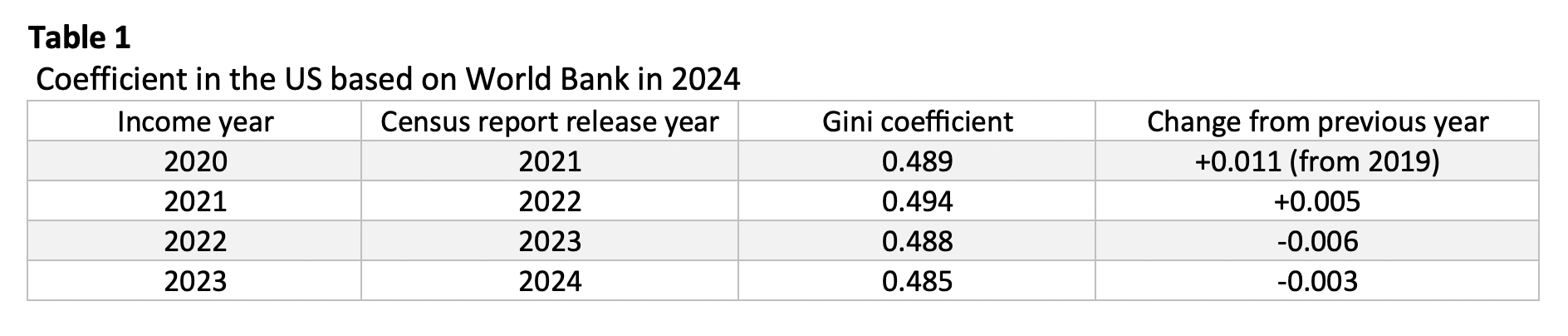
For centuries, oligarchies have been understood as groups that consolidate and sustain power through the accumulation of wealth and control over political and economic resources. In contemporary societies, wealth remains the primary mechanism through which oligarchic influence is reproduced, reinforcing persistent power asymmetries and limiting public accountability. Consequently, oligarchic structures often foster political impunity, enabling elites to pursue private interests at the expense of the public good. Existing scholarship suggests that democratization does not necessarily eliminate oligarchic influence; rather, democratic institutions frequently coexist with and accommodate oligarchic power. This phenomenon extends beyond developed economies, as reflected in the concerns expressed by former U.S. President Joe Biden regarding the concentration of economic and political power, and is similarly evident in developing democracies such as Indonesia and the Philippines. This study examines the emergence and evolution of oligarchic structures in the United States, Russia, Indonesia, and the Philippines through a comparative analysis of secondary data. It tests the hypothesis that oligarchic systems are associated with persistent social inequality, particularly widening income disparities and unequal access to economic and political opportunities. The findings indicate that entrenched oligarchic structures reinforce long-term inequality, underscoring the need for redistributive policies and sustained social stratification. Strengthening democratic institutions, promoting equitable wealth distribution, and enhancing public accountability are therefore essential to advancing inclusive development, social welfare, and democratic governance.

Author Biographies

Bonifasius Santiko Parikesit, Department of Economics, Faculty of Economics & Business, University of Trisakti, Jakarta, Indonesia

bonifasius.parikesit@gmail.com

Nur Wahyu May Alfian, Department of Sociology, Faculty of Social Science & Political Science, University of Gadjah Mada, Yogyakarta, Indonesia

tbmayalfian@gmail.com

Ikagami Putri, Department of Economics, Faculty of Economics & Business, University of Trisakti, Jakarta, Indonesia

puputikagami@gmail.com

Jamilah Turohmah, Department of Economics, Faculty of Economics & Business, University of Trisakti, Jakarta, Indonesia

jamilahturohmahh@gmail.com

Downloads

Published

2026-09-30

Issue

Section

Articles