The Effects of the Chain Link Method on the Enhancement of Problem-Solving Skills among Secondary School Students
Keywords:
Chain Link, problem-solving, secondary school, quantitative method, teaching and learningAbstract
This study aims to evaluate the effects of the Chain Link method on enhancing problem-solving skills among secondary school students using a quantitative research design. The Chain Link method was applied as a structured learning strategy that enables students to connect concepts in a sequential and progressive manner. This approach is intended to help learners form clearer cognitive links between key ideas, problem-solving steps, and the underlying principles of the subject matter. This suggests that students interpret and internalise new information differently, resulting in diverse levels of conceptual understanding and problem-solving abilities. By guiding students to organise information systematically, the Chain Link method supports deeper conceptual understanding and promotes more efficient learning. A total of 130 respondents participated in this study, consisting of 87 teachers and 43 secondary school students, selected through the distribution of a Google Form. The research instrument was a Likert-scale questionnaire measuring three constructs which are students’ ability to connect concepts, their perceptions of the Chain Link method, and the level of improvement in problem-solving skills. These constructs were chosen to provide a comprehensive assessment of both cognitive and affective learning outcomes. Data were analysed using IBM SPSS Statistics, and descriptive analyses were conducted to determine the method’s overall effectiveness. Minimum, maximum, mean, and standard deviation values were calculated for each questionnaire section. The mean scores for Section B, Section C, and Section D were 4.19, 4.24, and 4.21 respectively, indicating consistently high levels of agreement across all constructs. The findings show that the Chain Link method significantly enhances students’ ability to connect learning concepts and improves the organisation of their problem-solving processes. Students expressed highly positive perceptions of the method, describing it as engaging, easy to follow, and effective in sustaining motivation. Teachers also recognised its potential to strengthen instructional clarity and learning outcomes. Overall, the results confirm that the Chain Link method is an effective instructional strategy for improving problem-solving skills among secondary school students, offering strong potential for wider adoption in classroom settings.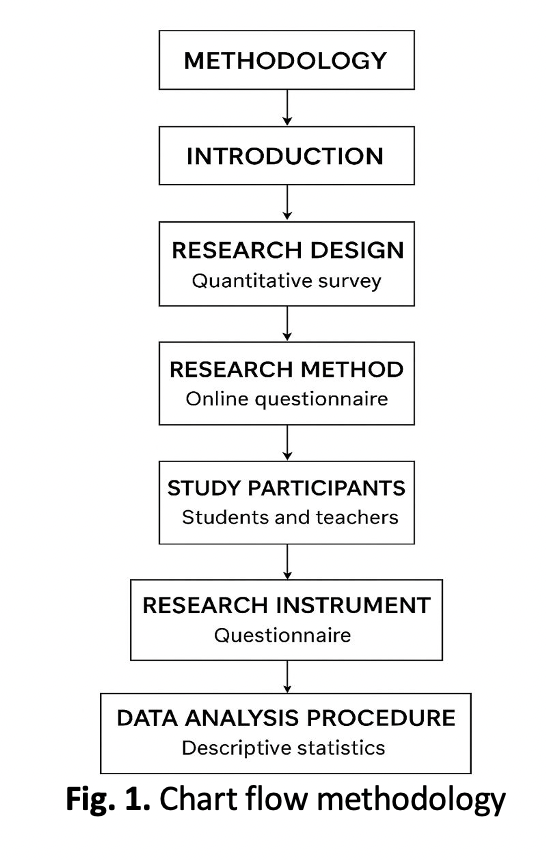
Downloads
Published
2026-03-11
How to Cite
Mansor, M., Wan Ismail, W. O. A. S., Tajuddin, N. A. A., Rosli, N. A. N., Mat Noor , N. S., & Sobri, S. A. (2026). The Effects of the Chain Link Method on the Enhancement of Problem-Solving Skills among Secondary School Students. Pena Modern Practices in Teaching and Learning , 4(1), 11–26. Retrieved from https://penacendekia.com.my/index.php/pmptl/article/view/105
Issue
Section
Articles